Blog
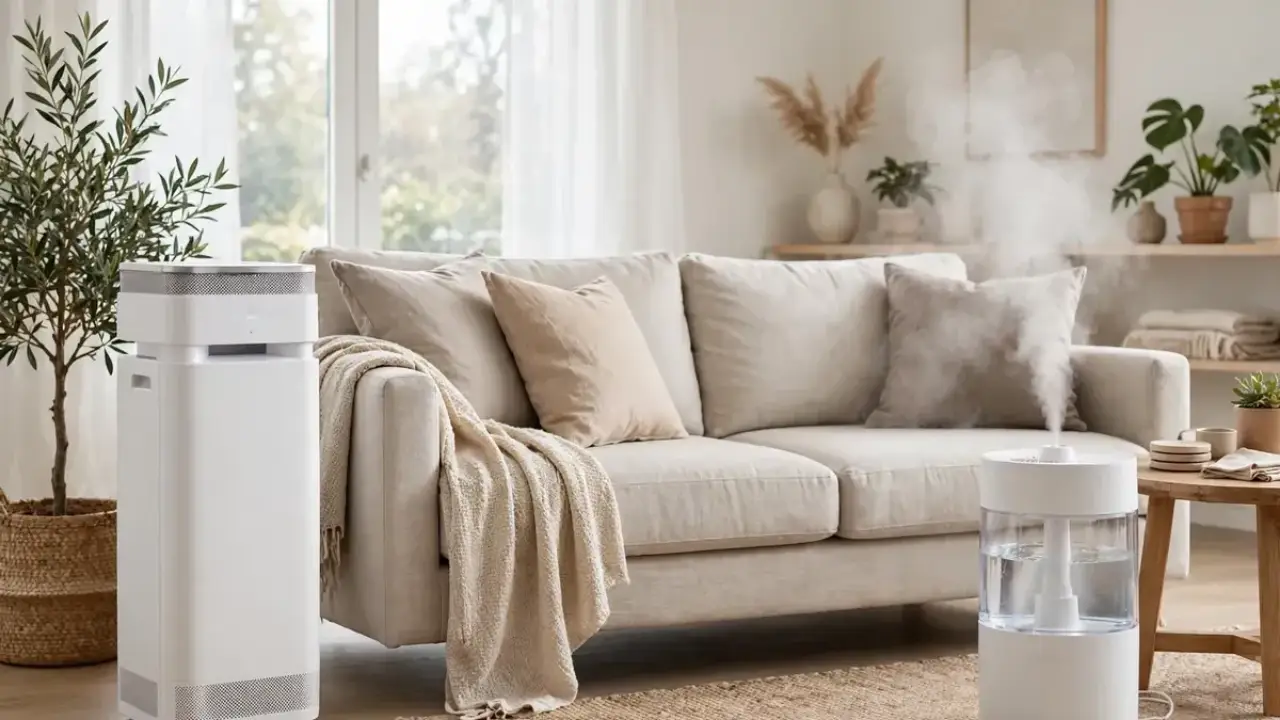
People shop for these two machines as if they were versions of the same thing. They are not. An air purifier cleans the air; a humidifier changes how much water is in it. One removes things from the air, the other adds something to it. Choosing between them is easy once you know which problem you ac...
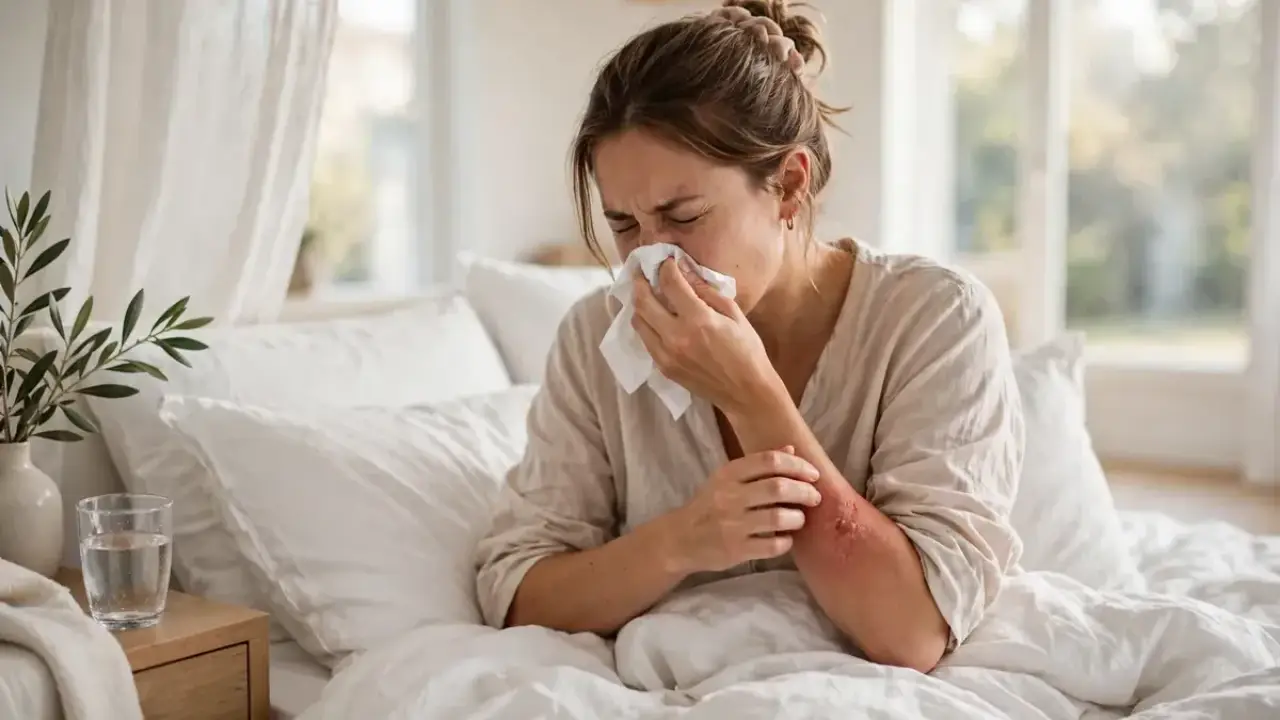
Short answer: no. Dust mites do not bite humans. They do not sting, burrow into skin, suck blood, or live on your body. Yet "dust mite bites" is one of the most searched phrases in home health, because millions of people wake up with itchy red marks and no other explanation. So if dust mites are not...
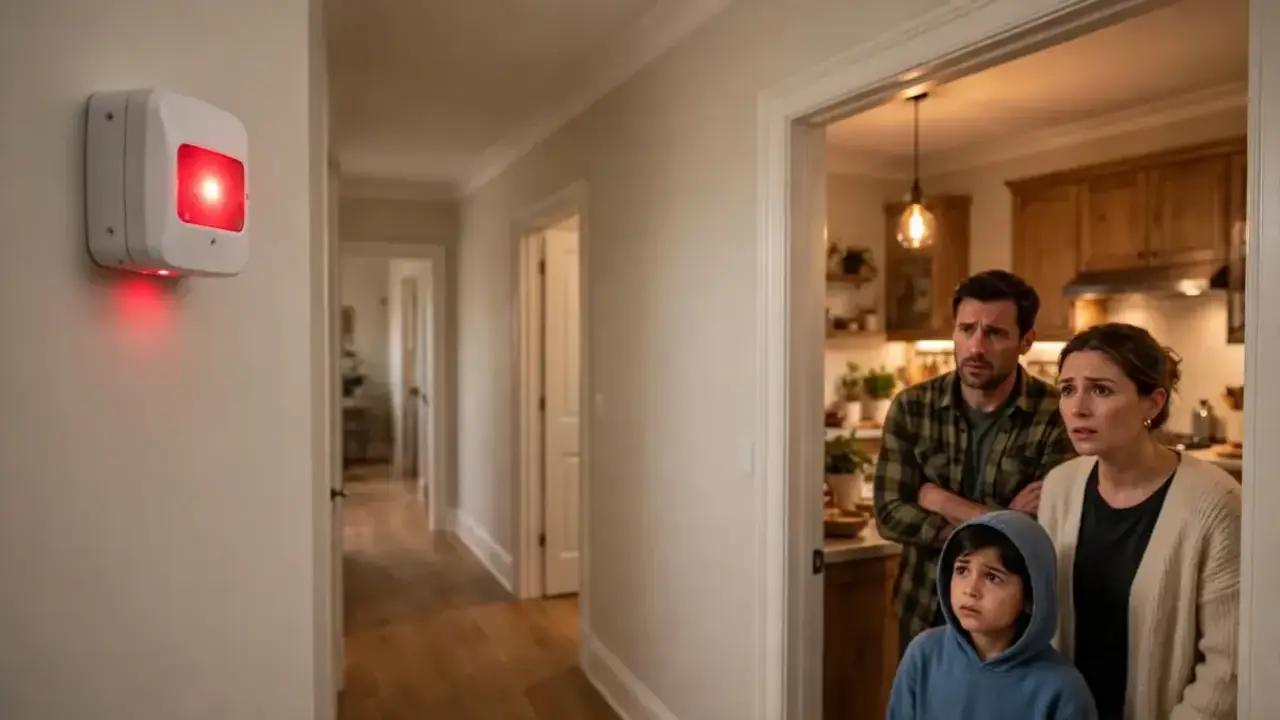
Carbon monoxide is called the silent killer for a simple reason: it has no color, no taste, and no smell. You cannot detect it with your senses at all. But a house with a carbon monoxide problem almost always shows warning signs, in the appliances, in the building, and in the people inside it. Knowi...

A cough that only shows up at home. Sinuses that clear on vacation and clog again the day you return. A musty smell nobody can explain. For many families, these are the first black mold exposure symptoms they notice, weeks before anyone finds the growth behind a wall or under a floor.
This guide co...
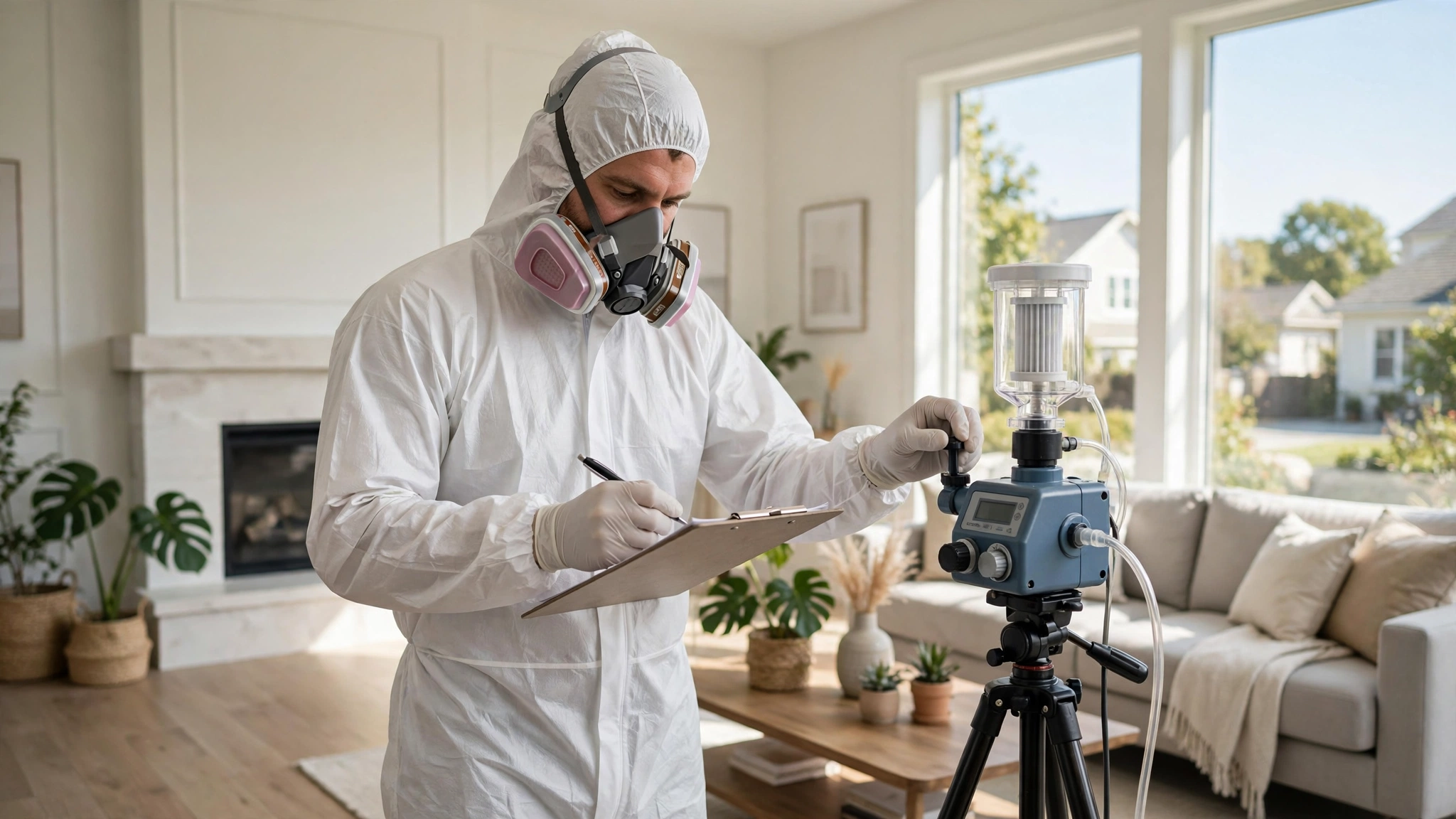
You have found a musty smell that will not go away, spotted dark patches behind the bathroom tiles, or you are about to buy a home and want to know what is in the air before you sign. The first question almost every homeowner asks us is a simple one: how much does mold testing cost?
The honest answ...
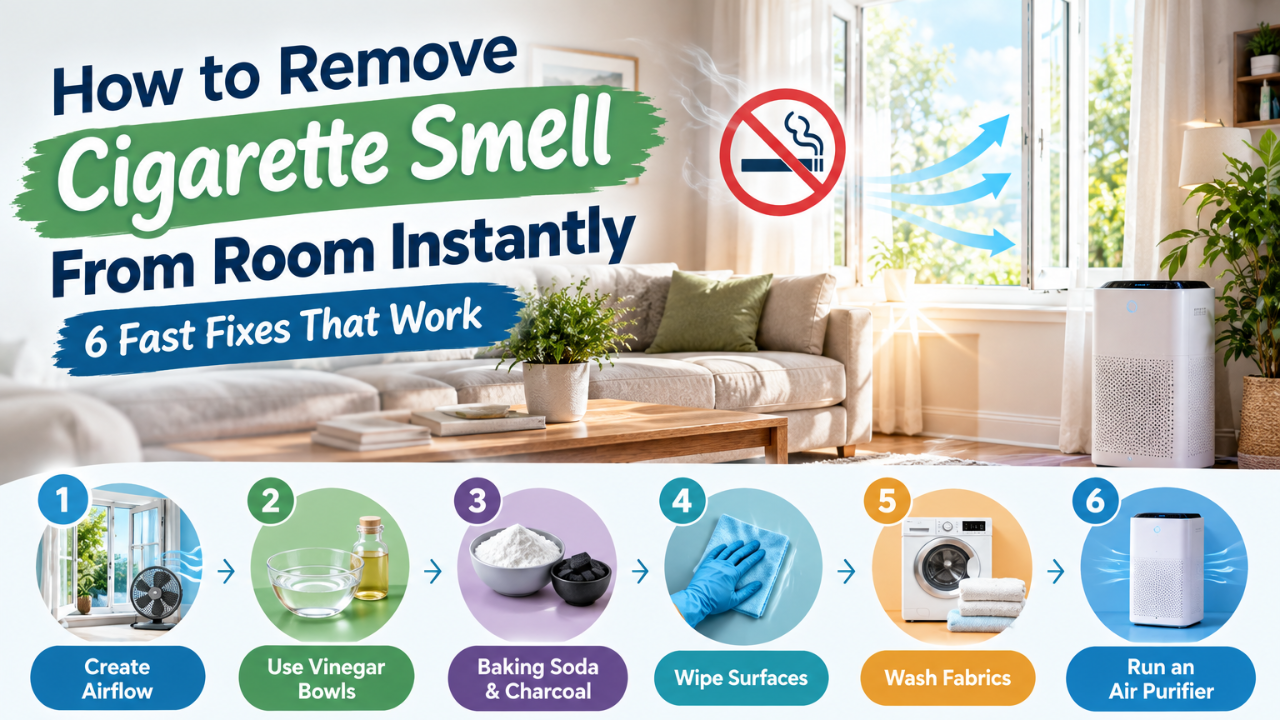
You have guests coming in an hour, or you just moved into a place that smells like smoke. Either way, you want the smell gone now. If you are looking for how to remove cigarette smell from room instantly, here is the honest answer. Nothing is truly instant, but you can cut the smell a lot in minutes...
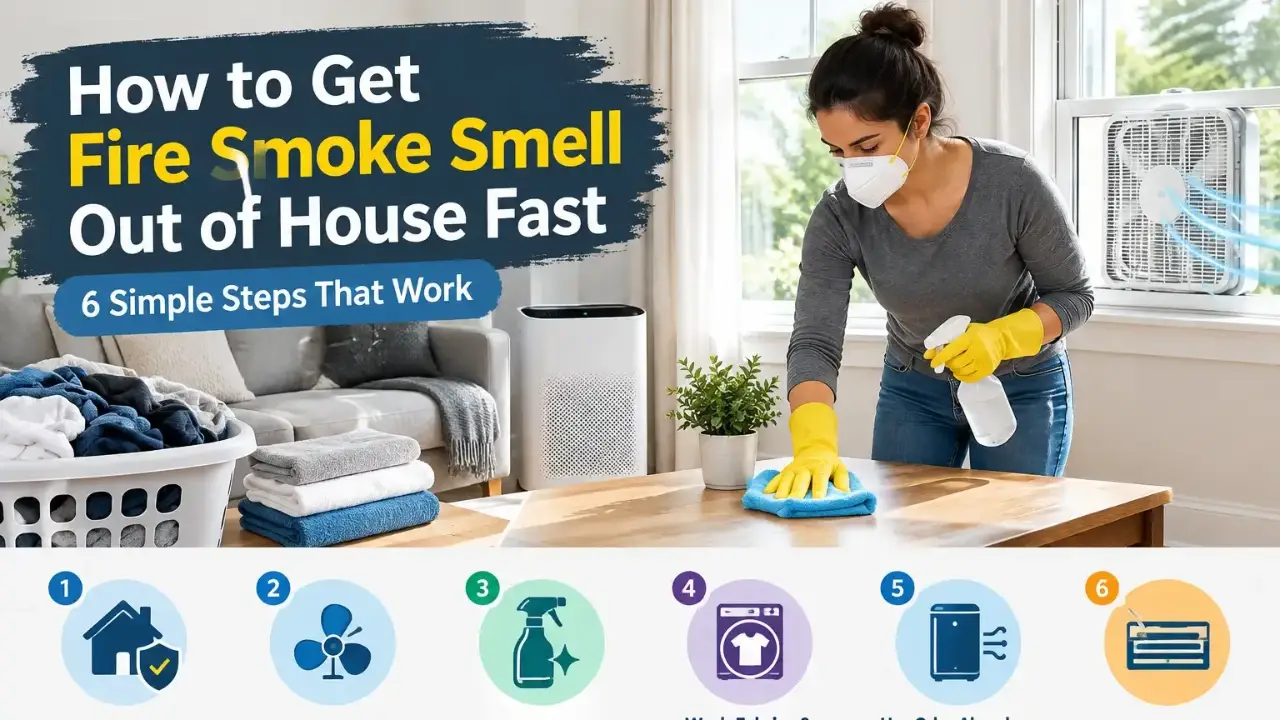
The fire is out, but the smell is still there. It clings to your walls, clothes, and furniture, and it makes your home feel unwelcome. If you want to know how to get fire smoke smell out of house fast, the good news is you can make a big difference in a day or two. Here are simple steps to start rig...
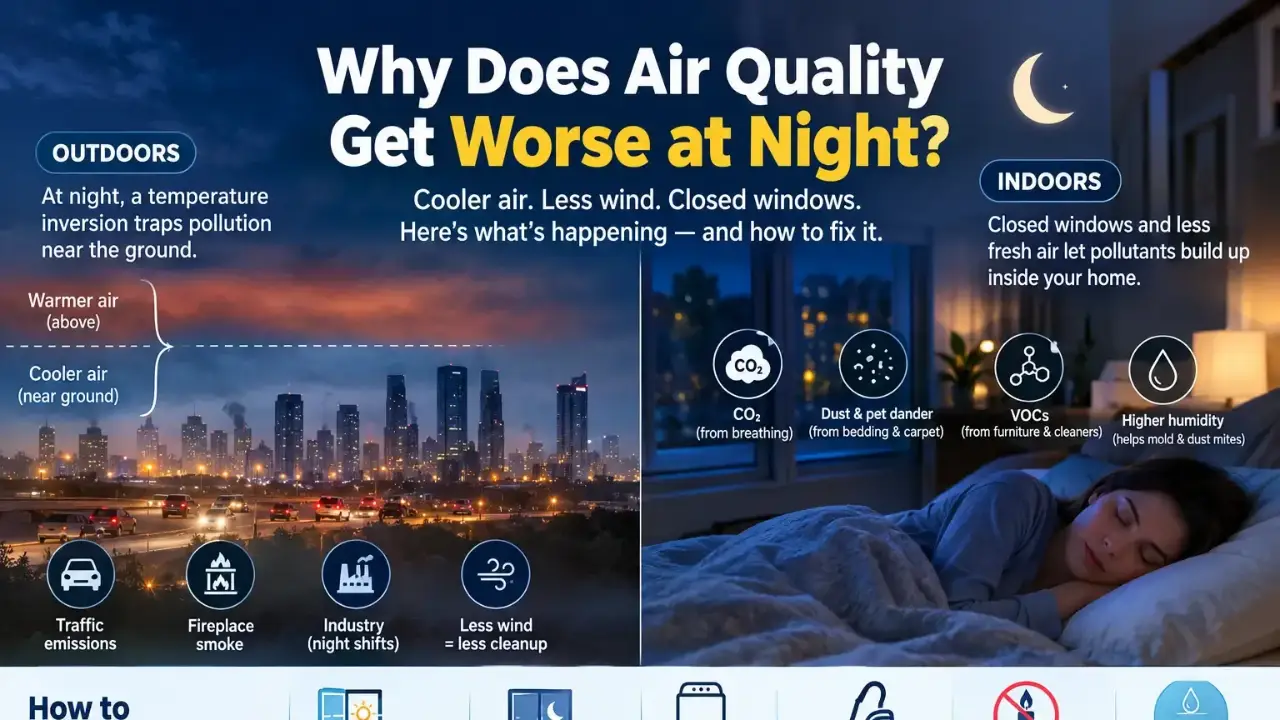
Have you ever woken up with a dry throat, a stuffy nose, or a heavy head? Your air may be to blame. Many people notice that the air feels worse after dark, both outside and inside their homes. So, why does air quality get worse at night? Cooler air, less wind, and closed windows all trap pollution c...

After a rainstorm, the air feels fresh and clean. The sky looks clearer and the smell is pleasant. So, does rain improve air quality? The short answer is yes, but only a little, and only for a short time. Rain works best on bigger particles. It does much less for tiny particles, smoke, and some gase...
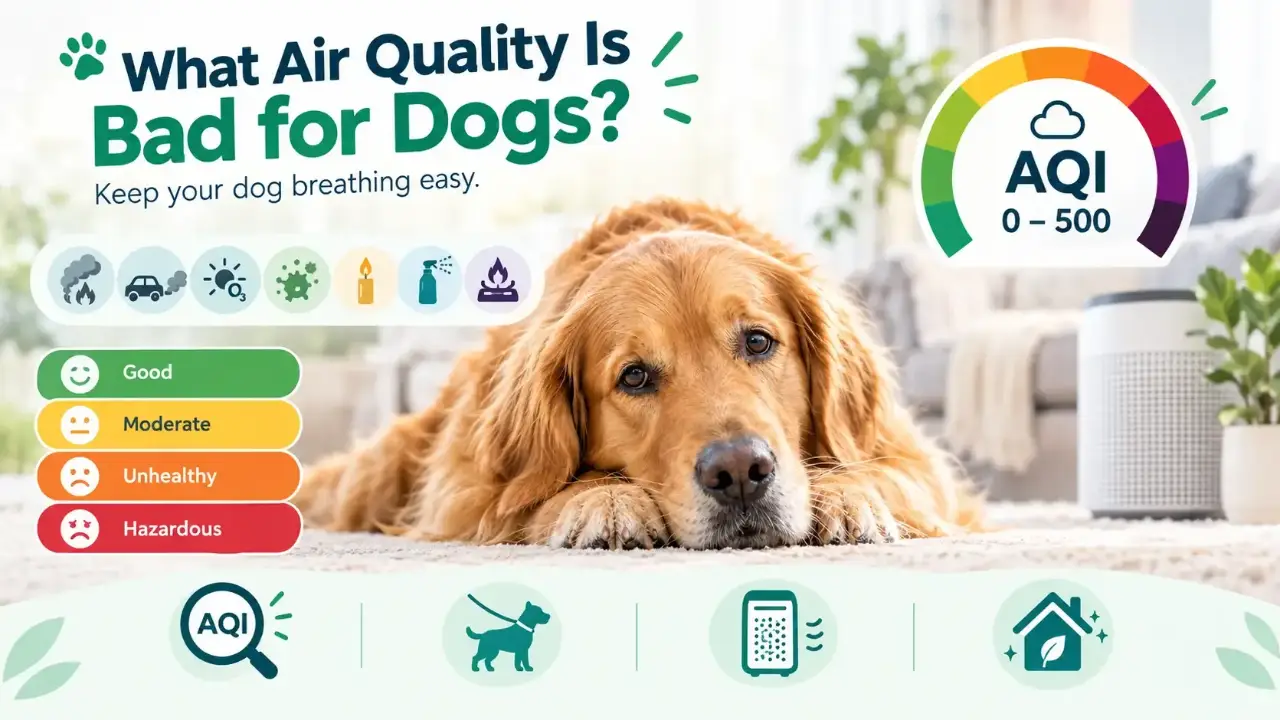
Many pet owners start searching for what air quality is bad for dogs after noticing their dog coughing, wheezing, or acting tired outside. The truth is, dogs breathe the same air we do, and dirty air can hurt them just as much as it hurts us. Knowing which air quality levels are unsafe can help you ...
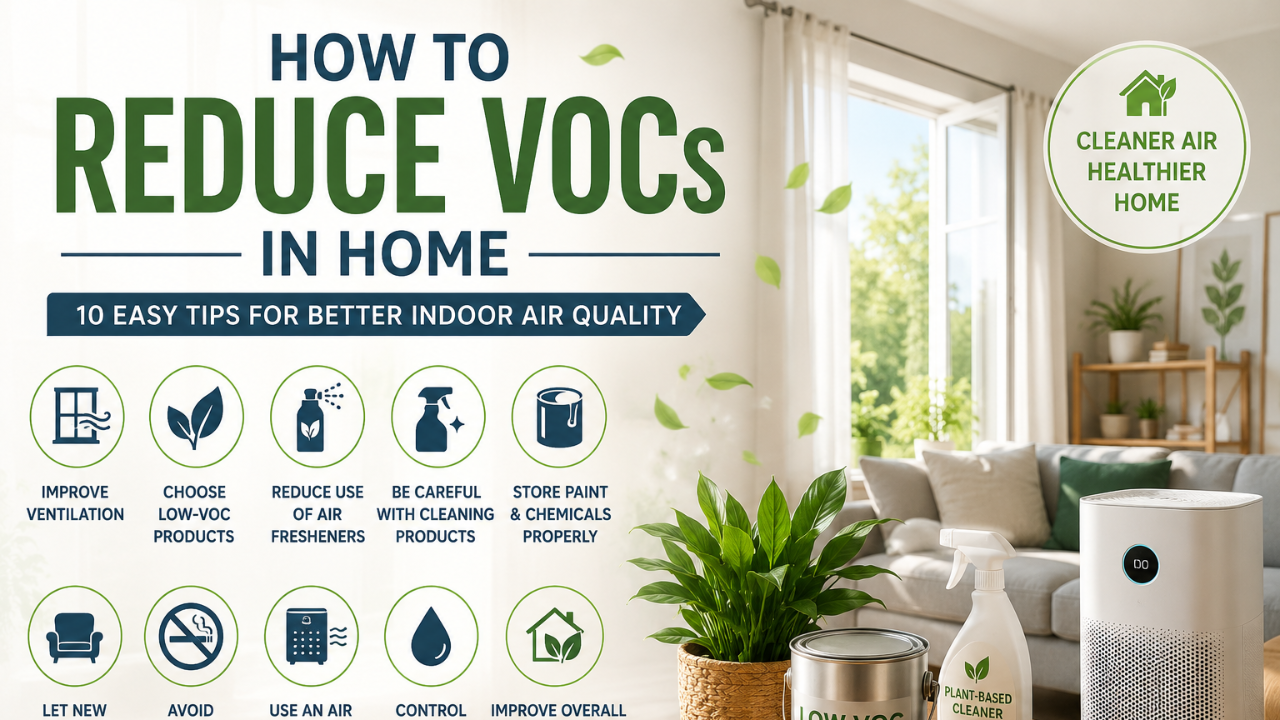
If you want to know how to reduce VOCs in home, the good news is that you can take several simple steps to improve your indoor air quality. Volatile organic compounds (VOCs) are gases released by many household products, building materials, paints, cleaners, furniture, and other everyday items.
VOC...
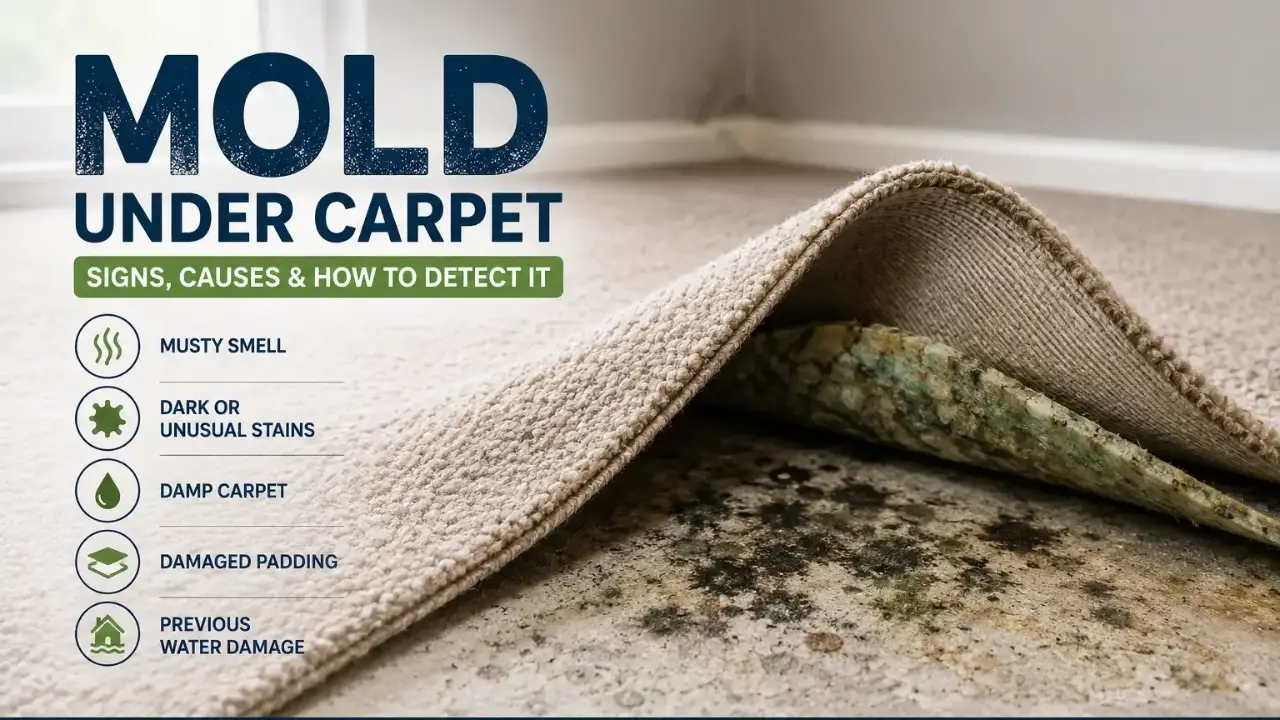
Mold under carpet can be difficult to notice because the growth may be hidden beneath the carpet or padding. A room may look clean while moisture is trapped underneath, creating the right conditions for mold to grow.
Water leaks, flooding, high humidity, and moisture from concrete floors can all co...